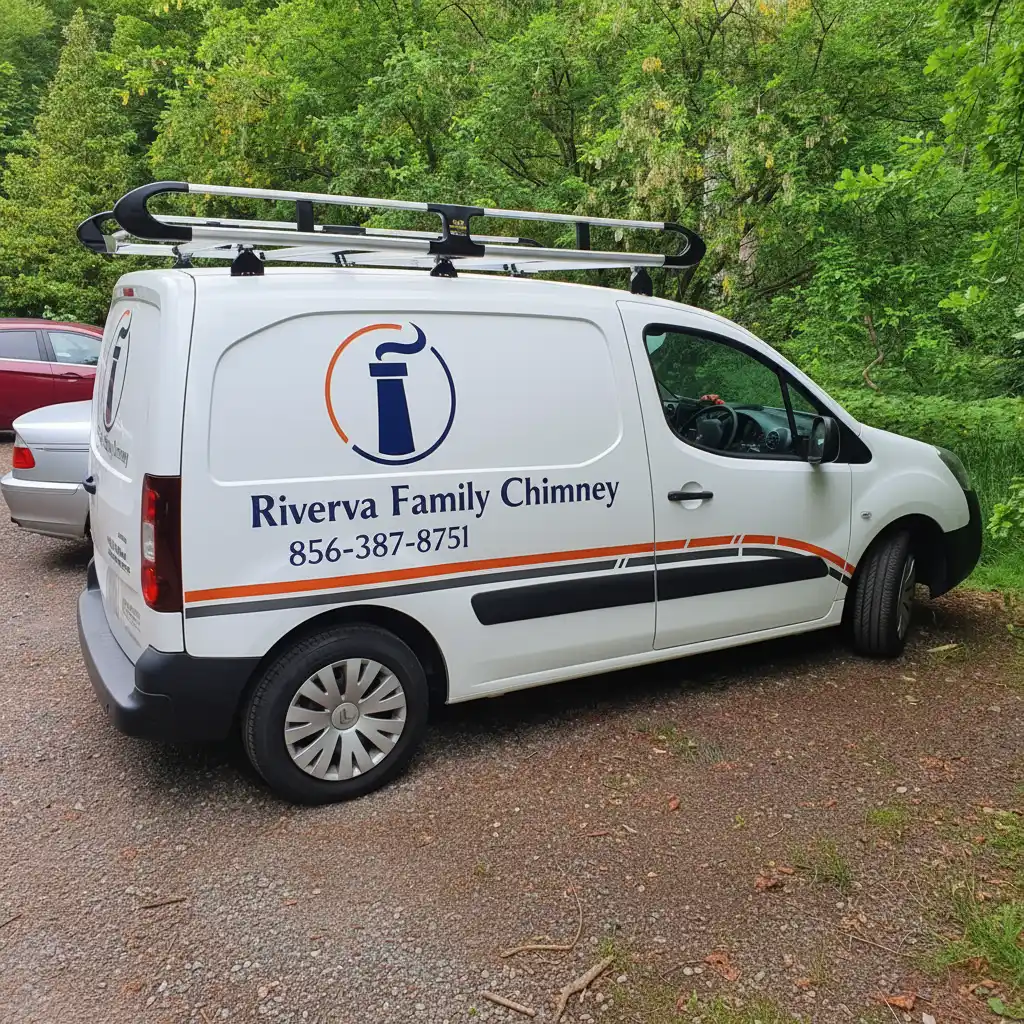
The clay tile liners in many Freehold chimneys have reached the end of a long life, and a stainless liner is the modern, durable replacement. Rivera Family Chimney confirms the need with a camera scan, specifies the right liner, flexible stainless or cast-in-place, sizes it to your appliance, and installs it insulated to code. Many Freehold homes have flues that were never lined to current code, so relining brings an old chimney up to a safe, modern standard. Our install is UL-listed material, insulated to code, and documented with a final camera check you can review. Ring 856-387-8751 and we will confirm the need before we quote the reline.
- Camera-verified need
- UL-listed stainless liners
- Flexible and cast-in-place
- Insulated and code-compliant
- Appliance-sized for gas or wood
The Case For Keeping Up With It No Cutting Corners
A flue's safety comes down to its liner, the inner surface that contains the burn. We install stainless flexible or cast-in-place based on the chimney, insulated to code either way. We size the liner correctly the first time, because an oversized or undersized liner causes its own problems. It is a small thing that says everything about the job.
A Freehold chimney stands fully exposed year round, and the weather never stops testing it. The crown takes water from above while wind-driven rain works the joints from the side. Left alone, a stack that looked fine three winters ago can shed brick and leak by the fourth. The chimneys that last belong to owners who fix the small problems before freeze-thaw compounds them.
A flue's safety comes down to its liner, the inner surface that contains the burn. A new liner is sized to the appliance, insulated to hold draft temperature, and verified to vent correctly. No upselling a cast-in-place liner when a flexible stainless does the job; the spec matches your chimney, not our margin. We treat your chimney the way we would treat our own.
Our Method For This Properly Plain and Simple
The liner is the barrier that contains the heat of the fire within the flue. We size the liner to the fireplace, stove, or insert, because an oversized one drafts poorly and an undersized one starves the fire. Relining is also what makes appliance conversions safe, since a gas insert or stove needs a correctly sized liner. That care is the whole point of hiring a local crew.
The job runs on a simple rhythm that takes the guesswork out of it. A real conversation when you call, an appointment that fits your schedule, and a crew that arrives with everything needed. We protect the house first, do the work, document it, and walk you through what we found before we leave. We keep the steps clear so you are never guessing what comes next.
Inside the masonry, the liner is the channel that carries heat and gases up and out. A flexible stainless liner threads the full height of the chimney as one piece, resisting corrosive condensation. You see the camera scan that justifies the reline, so the recommendation is backed by evidence, not pressure. We would rather do it right than do it fast.
Working Chimneys Throughout The Towns Done Properly in Monmouth County
Day in and day out, our work is the chimneys of Freehold and the towns around it. Masonry stacks with original clay tile liners, crowns poured before anyone worried about overhangs, and mortar weathering for decades are the norm here. We treat that age with respect, repointing and repairing in ways that match the original work rather than tearing into a sound old stack. That familiarity turns a vague complaint into a precise diagnosis fast.
The liner is the part of the flue that actually makes it safe to burn. We reline with a properly sized stainless liner and confirm the system vents safely before sign-off. The quote covers a correctly sized, code-compliant liner, with no hidden add-ons once the work starts. That attention to detail is what the photos end up proving.
The Danger In Skipping Proper Care and Then Some
The real job of a chimney is to keep a fire from becoming a house fire. Embers off an uncapped flue land on the roof, and combustion gases from a cracked liner reach the structure — both are preventable. Good maintenance is simply what keeps those winter incidents from being your incident. That is the lens we bring to every Freehold home we work on.
A homeowner who cannot inspect their own flue is at the mercy of whoever does. When the pitch is all urgency and no photographs, the urgency is usually the product. Every line on our quote maps to something we can show you on a screen or a photo. We are happy to talk you out of work you do not need, because that is what keeps you calling us.
A liner is the smooth inner channel that makes a flue safe to use. We size the liner to the fireplace, stove, or insert, because an oversized one drafts poorly and an undersized one starves the fire. We size the liner correctly the first time, because an oversized or undersized liner causes its own problems. That care is the whole point of hiring a local crew.
Where the services overlap
A chimney is a system, so chimney liner installation rarely stands alone — it connects to fireplace cleaning, camera flue scan, flashing repair, flue cap, crown rebuild, and our crew handles all of it under one roof. We bring the same service to Marlboro chimney liner installation, Chimney Liner Installation in Manalapan, Chimney Liner Installation in Howell, Chimney Liner Installation in Colts Neck and everywhere else across Monmouth County.
If you searched for a chimney sweep near Freehold, you have reached a local crew — call 856-387-8751 any time. For background, read A Plain Look at the Level 2 Chimney Inspection on our blog, or head back to our Freehold home page to see everything we do.